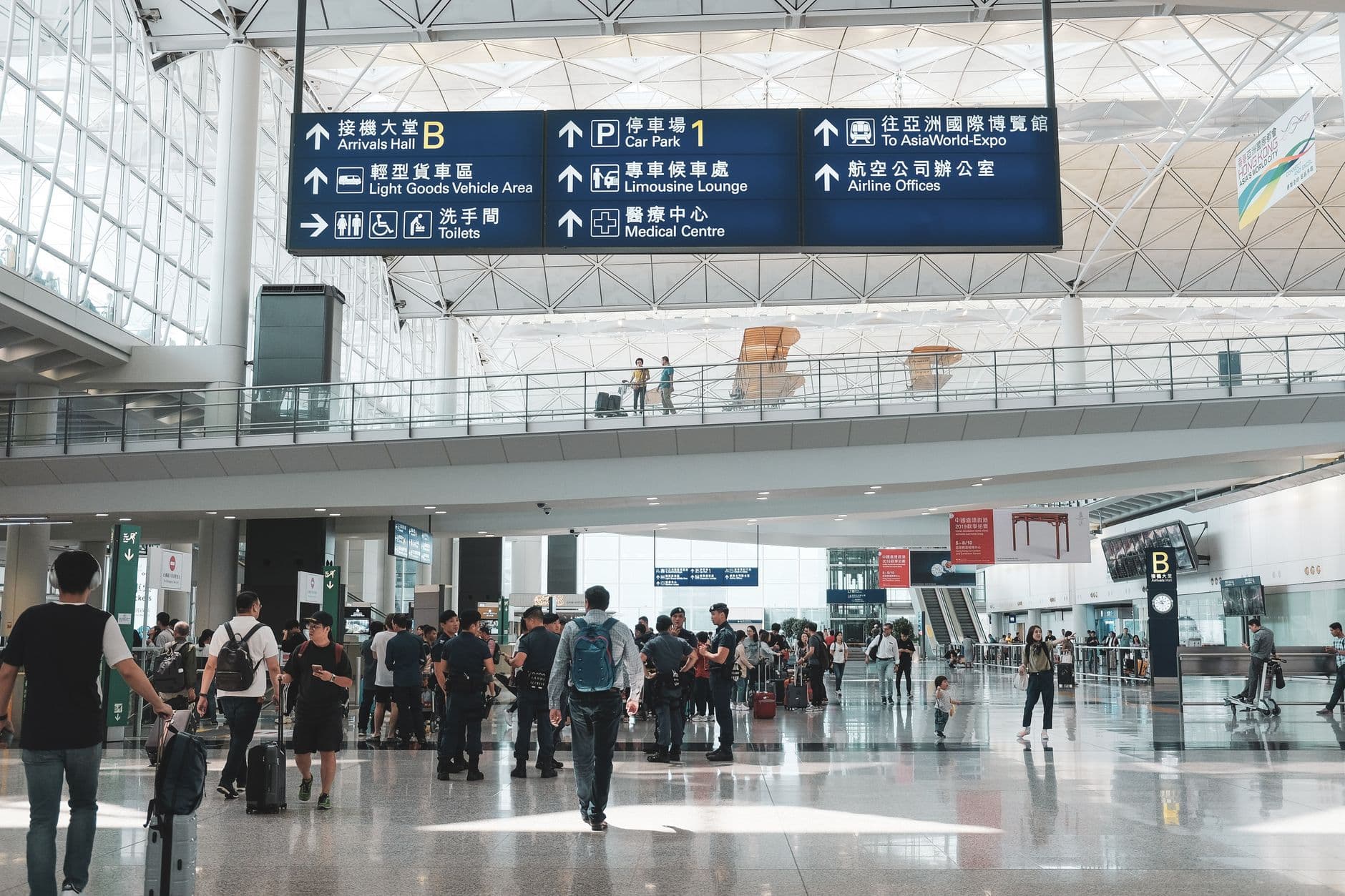
If you are stopped at a Canadian airport and not allowed in, one of two very different things usually happens. Either you are allowed to withdraw your application to enter — you fly home with no removal order against you and no legal bar — or a removal order is issued, and that order carries consequences for returning. In the moment both feel the same: hours in secondary inspection, and a flight home you did not plan. Legally they are very different. Knowing exactly which one you received should decide everything about what you do next.
This guide explains what happens at the port of entry, what each outcome means under the Immigration and Refugee Protection Act (IRPA) and its Regulations (IRPR), what gets written about you, and how to prepare before you try again.
This article is general information, not legal advice. Immigration outcomes depend on the facts of each case. For anything involving inadmissibility findings, removal orders or Federal Court deadlines, speak to a Canadian immigration lawyer or an RCIC.
Key takeaways
- A visa or eTA is permission to travel to Canada, not permission to enter. Everyone is examined at the border under s.18(1) IRPA, and admission is decided there.
- Being allowed to leave (withdrawal of your application to enter, R42 IRPR) means no removal order and no bar — but the examination is still recorded, and the officer does not have to allow it in every case.
- An exclusion order normally bars you for one year, or five years if it was issued for misrepresentation. A departure order requires you to leave and confirm your departure with CBSA within 30 days. A deportation order means you need an Authorisation to Return to Canada (ARC) before any future travel.
- Ask the officer which document was issued and request a copy before you board. Many travellers only find out later, from their own file.
- Two separate records exist: IRCC's file (your GCMS notes, still commonly called CAIPS notes) and CBSA's border examination notes. They are requested from two different departments.
- Reapplying without reading the recorded reason is the most common and most expensive mistake.
What actually happens at the port of entry
At primary inspection, a Canada Border Services Agency (CBSA) officer scans your passport and asks a few short questions. If something needs a closer look — your answers, your documents, a record already in the system, or a random referral — you are sent to secondary inspection.
Secondary inspection is an examination, not an arrest. The officer may search your baggage, examine your phone or laptop, telephone your host in Canada, and question you at length about your purpose of travel, your money and your ties at home. Because it is treated as a routine part of the entry examination, there is generally no right to a lawyer while you are being questioned — the Supreme Court decided this in Dehghani v. Canada (1993). If you are actually detained, the position changes: you may then contact counsel, and the Immigration Division must review the detention within 48 hours.
The officer is testing the same thing a visa officer tests. Under s.20(1)(b) IRPA, a person seeking to enter as a temporary resident must satisfy the officer that they will leave Canada at the end of the period authorised. The same requirement appears in the rules for issuing a visitor visa (R179(b)) and a study permit (R216(1)(b)). If your answers at the airport do not match what you wrote in your application, that satisfaction disappears very quickly.
What officers most often act on
- Answers at the counter that contradict the application (purpose, length of stay, who is paying, where you will live).
- Documents in your hand luggage that suggest a different plan — job offers, degree certificates, resumes, one-way arrangements, boxed household goods.
- Messages, emails or photographs on a device that suggest work, study or settling without the right permit.
- Insufficient funds for the stay you described, or a host whose account differs from yours.
- An existing record: a prior refusal, an overstay, a criminal matter, or a previous removal.
The outcomes of secondary inspection
Allowed to leave vs formal removal: side by side
| Outcome | Main provision | Effect on returning | What you must do |
|---|---|---|---|
| Allowed to leave (withdrawal) | R42 IRPR | No legal bar, but the examination is on record | Travel back on the next available flight, usually at your own cost |
| Exclusion order | R225 IRPR (commonly with A41 or A40) | Normally 1 year; 5 years where it was issued for misrepresentation | Leave Canada; apply for an ARC if you need to return before the period ends |
| Departure order | R224 IRPR | No bar if you leave and confirm departure in time | Leave and confirm your departure with CBSA within 30 days, keeping the certificate of departure |
| Deportation order | s.52(1) IRPA | You cannot return without permission, with no fixed end date | Apply for an Authorisation to Return to Canada before any future travel |
Officers do not always explain this clearly at the counter, and many travellers fly home believing they were "just sent back" when an order was in fact signed. Ask which document was issued, and ask for a copy before you board. Keep it, photograph it, and store the photo somewhere safe. You will need it for every application you make afterwards.
Confirming your departure matters
If you receive a departure order, the 30-day clock and the confirmation step are what protect you. Confirming departure normally means reporting to CBSA before you leave and obtaining a Certificate of Departure (IMM 0056). Leaving quietly without confirming can turn a manageable departure order into a deportation order, which is far harder to undo.
What goes on your record
However it ends, the examination is written up. CBSA records the interview: what was asked, what you answered, any inconsistencies the officer noticed, what was found in your baggage or on your device, and the officer's reasoning. IRCC separately holds your visa and permit history in its case management system, including notes about a refused entry.
These notes matter more than most applicants realise. When you next apply for a visitor visa, study permit or work permit, the deciding officer can see this history. If the airport officer wrote something like "purpose of travel not credible — claimed tourism, carrying employment documents", that single line can shape the next decision unless you deal with it directly.
You are entitled to ask for these records under Canada's access to information and privacy (ATIP) framework:
- IRCC records — your GCMS notes (older files were called CAIPS). These show the visa or permit decision-making.
- CBSA records — the port of entry examination notes. This is a separate request to CBSA, not part of the IRCC file.
ATIP requests can normally be filed by a Canadian citizen, a permanent resident, or a person present in Canada. If you are outside Canada, a person in Canada can request on your behalf with your written consent, using the IMM 5744 consent form. IRCC and CBSA work to statutory response timelines, and extensions are possible, so build waiting time into your plan.
Read the reasons before you reapply
The costliest mistake after a refusal is sending the same application again with a slightly better bank statement. Officers can see the earlier file. A new application that ignores the recorded concern usually produces a new refusal.
Two practical steps, in this order:
- Understand the paperwork you already hold. If you were also refused a visa on paper, run the letter through our free Refusal Engine. It maps the ticked boxes to the actual grounds — travel history, purpose of visit, ties to your home country, and whether the officer was satisfied you would leave at the end of your stay.
- Get the officer's own words. Order your CAIPS/GCMS notes so you can read the internal reasoning instead of a generic checklist. You can view a redacted sample first to see exactly what you will receive. Delivery is usually 25–30 days, because the timeline is set by IRCC's ATIP process, not by us.
CAIPS Notes Apply is run by Pro Lifeset Overseas Pvt. Ltd., a government-licensed Indian immigration consultancy (Licence No. 849/DC/PTA/PLA/LC-3/2024). Our Premium service adds a written plain-English interpretation of the notes, so you know which specific finding to answer next time. We cannot promise any immigration outcome, and no one honestly can. What we can do is remove the guesswork about what was actually written.
Preparing for the next attempt
- Declare it. Application forms ask whether you have ever been refused a visa or permit, refused entry, or ordered to leave Canada or any other country. Being allowed to withdraw still means you were not admitted, so it must be declared. Hiding it risks a misrepresentation finding under s.40 IRPA, which carries a five-year inadmissibility — a much worse position than the honest answer would have created.
- Answer the actual finding. If the concern was ties to your home country, respond with documented employment or business, property, dependants, and a clear, believable reason to return — not a thicker file of the same papers.
- Make one consistent story. Your forms, your interview answers and the documents in your bag must all say the same thing. Many airport refusals are consistency problems, not document problems.
- Carry only what fits your stated purpose. If you are travelling as a visitor, having a signed job offer or original degree certificates in your bag invites exactly the question you cannot answer well.
- Respect the bar. Travelling before an exclusion period has ended, without an ARC, turns a temporary problem into a serious one.
- Get proper representation for complex files. Criminal inadmissibility (s.36), medical inadmissibility (s.38), security grounds (s.34) and misrepresentation findings need a licensed representative — a Canadian immigration lawyer or an RCIC. Nothing in this article replaces that advice.
Frequently asked questions
Does being allowed to leave count as a refusal on future forms?
You should treat it as something you must declare. No removal order was issued and there is no bar, but you were not admitted to Canada, and the forms ask about being denied entry. Declaring it with a short, factual explanation is far safer than leaving it out.
Can I refuse to answer, or ask to withdraw my application to enter?
You can tell the officer you would prefer to withdraw your application and return home, and in many situations the officer will allow it. It is not guaranteed: once a report and removal decision are under way, withdrawal may no longer be available. Refusing to answer questions during an examination is generally not helpful and can itself lead to a finding that you have not satisfied the officer.
Can I appeal a decision made at the airport?
A temporary resident refused entry usually has no appeal to the Immigration Appeal Division. Some people do have appeal rights — for example, permanent residents and certain holders of permanent resident visas — so this depends on your status. Otherwise the route is an application for leave and judicial review in the Federal Court, which has short filing deadlines (generally 15 days for a decision made in Canada) and reviews whether the decision was lawful and reasonable, not whether the court would have decided differently. If you are considering it, contact a lawyer immediately, because the deadline is tight. For most travellers, a stronger fresh application is the more realistic path.
I hold a valid visa. How could I still be refused?
A visa or eTA allows you to travel to Canada and be examined. Admission is decided at the border. If the officer is not satisfied that you meet the requirements — for a visitor, that you will leave at the end of your authorised stay — entry can be refused even with a valid visa.
What is an ARC and how do I get one?
An Authorisation to Return to Canada is written permission to come back despite an existing removal order. You apply from outside Canada, normally together with the visa or eTA application you need, explaining why the order was issued, what has changed, and why your return is justified. A separate government fee applies; check the current IRCC fee list. Approval is discretionary and is decided case by case — there is no guaranteed result.
How long before I can try again?
If you were allowed to withdraw, there is no waiting period in law — but applying again within days, with nothing changed, rarely succeeds. If an exclusion order was issued, the period is normally one year, or five years where it was for misrepresentation, unless an ARC is granted. With a deportation order, an ARC is required regardless of how much time has passed.
Will CBSA really look at my phone?
Officers can examine digital devices as part of an examination, and the law and CBSA policy in this area have been changing, including limits set by the courts. In practice, assume that anything on your device could be seen and should be consistent with the purpose of travel you have declared.
Your next step
Being refused at the border is disorienting, expensive and embarrassing — but it is not the end of your Canadian plans. What really ends applications is repeating them blind. Start by finding out exactly what was written about you: order your CAIPS/GCMS notes, and consider a separate ATIP request to CBSA for the port of entry notes. You can also read our guides and FAQ first. If you are not sure which service fits your situation, get in touch and we will tell you honestly.